1. Lewis Meadow to Hoh Campground
Linked via: Proximity 99% confidence Synced 6mo ago
Gauge Conditions
Runnable: ? – ? CFS
Approximate reading: This gauge is 25.3 miles away on Hoh. Use as a general reference only.
Data from American Whitewater & USGS
Run Map
Description
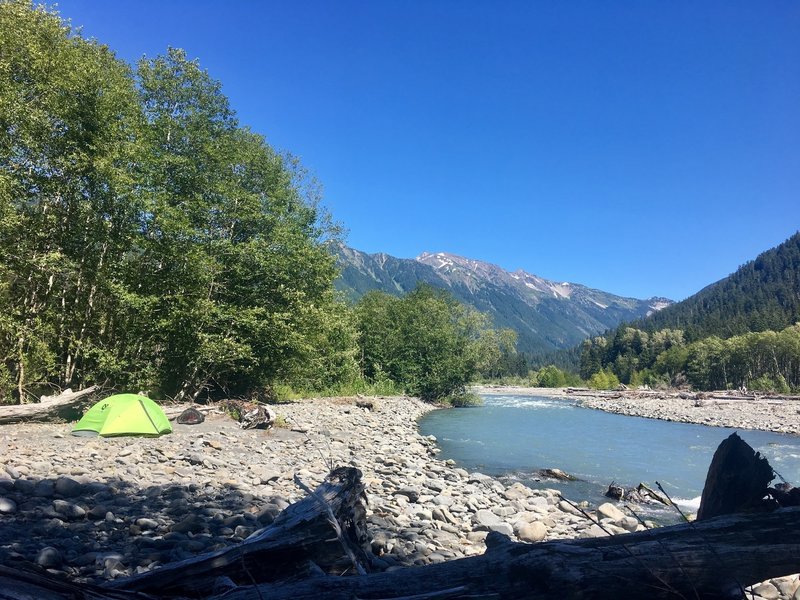
The Upper Hoh River, located in Olympic National Park, offers a spectacular backcountry packrafting experience through one of the most iconic temperate rainforests in North America. This glacial-fed river flows westward from the base of Mount Olympus, cutting through lush old-growth forest and carved river valleys. A typical packrafting trip begins with a hike on the well-maintained Hoh River Trail, which starts at the Hoh Visitor Center. Most paddlers choose to hike in 9 to 12 miles, with common put-ins near Lewis Meadow or even as far as High Hoh Bridge for a longer and more remote adventure. The take-out is typically near the Hoh Campground, though longer trips can continue down to Oil City Road at the river's mouth.
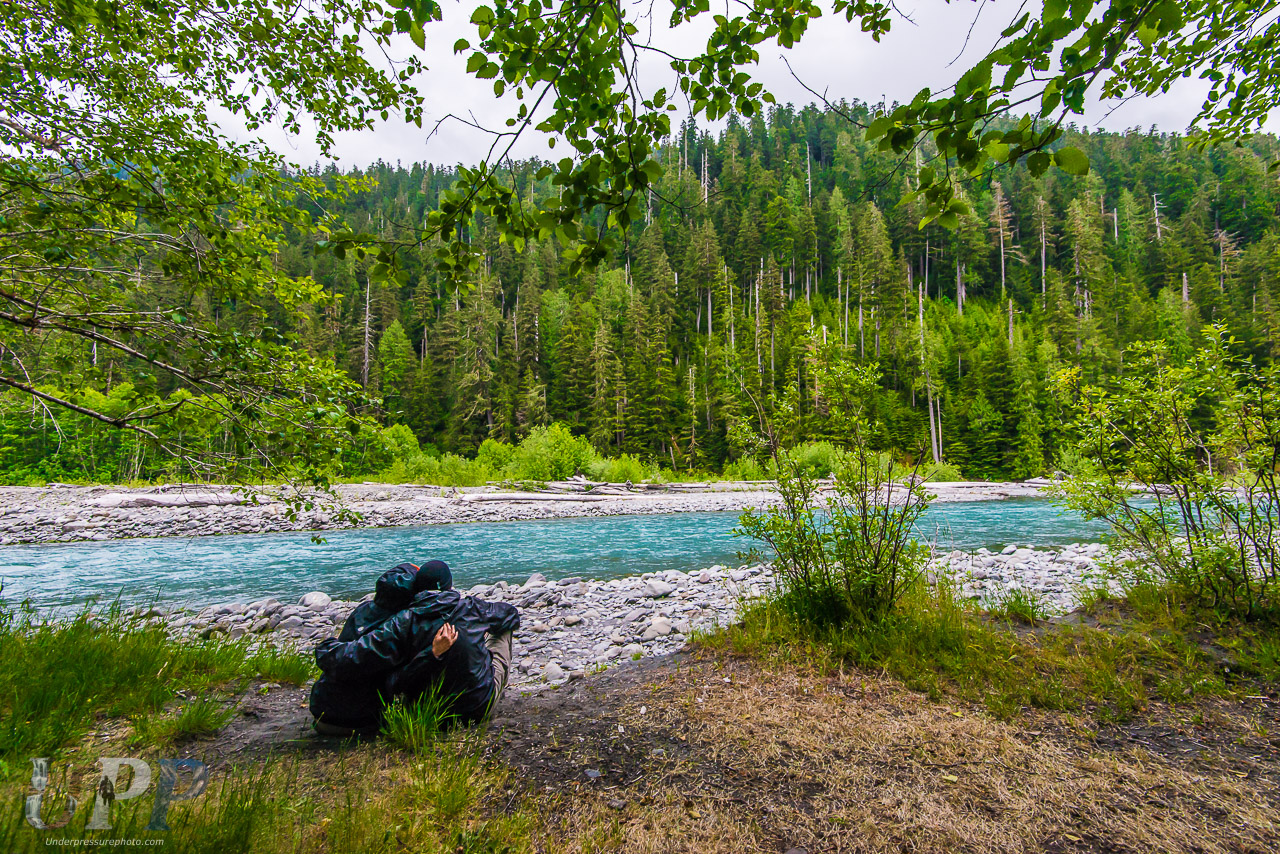
The Hoh is known for its strikingly blue glacial water, dense rainforest scenery, and abundant wildlife, including Roosevelt elk and black bears. The river is swift and braided, featuring cold, silt-laden flows with frequent logjams, undercut banks, and strainers. Most of the rapids are Class II to III, but the technical challenge lies more in route-finding and avoiding wood hazards than in big whitewater. Conditions can shift dramatically depending on recent weather and glacial melt, so scouting and conservative decision-making are essential.
This trip is best suited for intermediate paddlers with solid whitewater skills, swiftwater rescue knowledge, and full cold-water gear—drysuits are highly recommended due to the frigid glacial melt. Packrafters must also be self-sufficient and prepared for backcountry travel. Permits are required for all overnight trips in Olympic National Park, and bear canisters are mandatory. Camping options are available at designated backcountry sites along the trail and at the Hoh Campground near the take-out.
Trip options range from a one-day push—hiking in early and paddling out the same day—to a more relaxed overnight with riverside camping. Those looking for a longer trip can continue down the Middle and Lower Hoh River sections. Regardless of the itinerary, this trip offers a unique blend of hiking and paddling in a deeply wild landscape. Due to the river’s ever-changing character and the presence of wood hazards, it’s important to check current conditions and recent trip reports.
Rapids in this Run (3)
Difficulty
Class III
Length
13.0 mi
Rapids
3
Access Points
Difficulty Classes
I Easy
II Novice
III Intermediate
IV Advanced
V Expert/Extreme
VI Unrunnable
Current Conditions
5-Day Forecast
Whitewater data from
American Whitewater
American Whitewater