Bethel-New Hope Bridge to Georgetown Dam
Linked via: Nhdplus discovery 90% confidence Synced 6mo ago
Gauge Conditions
Runnable: 800.0 – 10,000.0 CFS
Likely too low for any real whitewater.
Data from American Whitewater & USGS
Run Map
Description
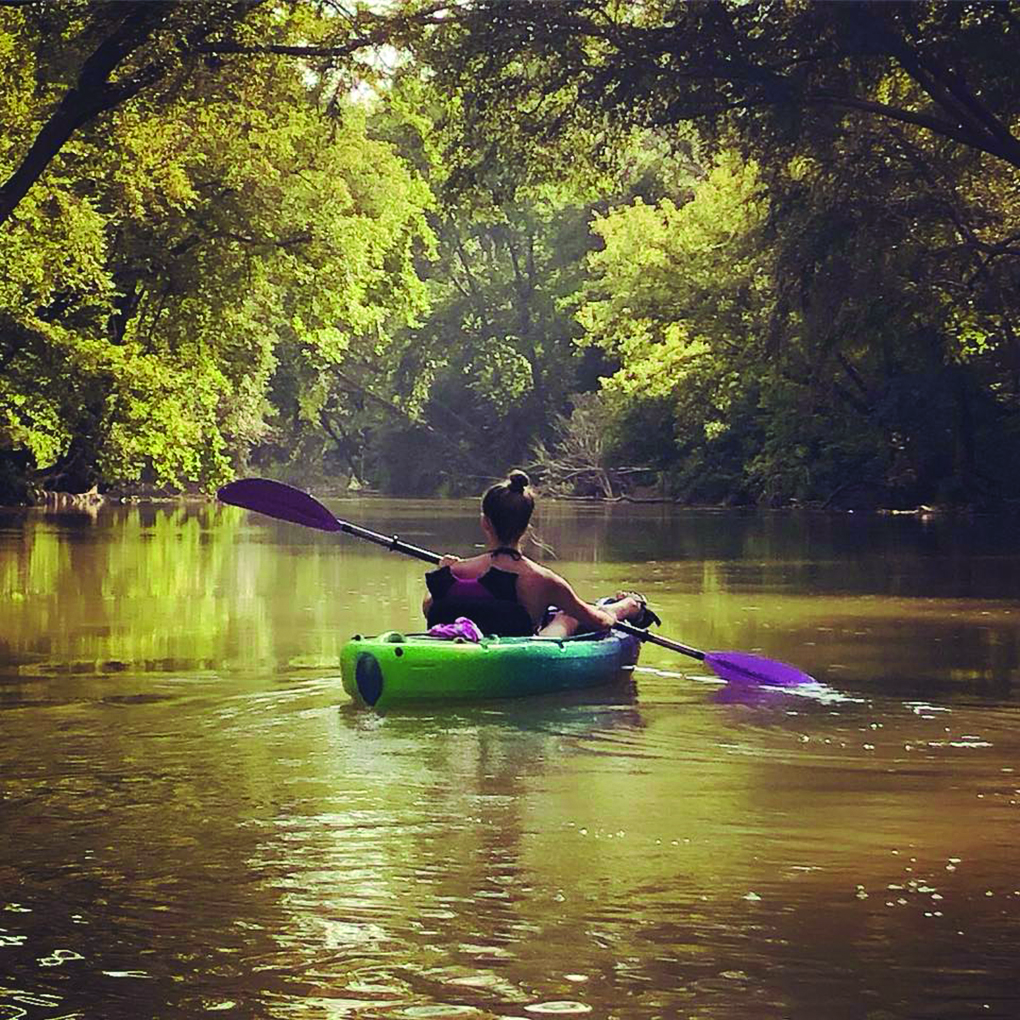
Normally White Oak has virtually no water in it (less than 20 cfs) as it is not spring fed. However, after a heavy rainfall it can jump to over 10,000 cfs in just a few hours. The next day it could (and often does) drop below the minimum recommended boatable level of 1000 cfs!
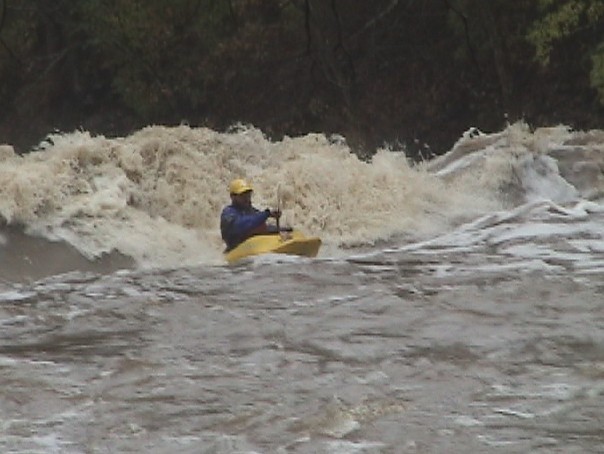
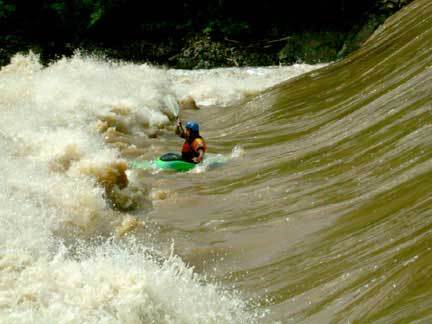
The smooth slate sloping bottom allows the water to build up to high speeds during big flows, kicking up NICE waves - a playboater's paradise without having to travel hours away to the "real" whitewater in Tennessee or West Virginia.
At 1000 - 1200 cfs, the creek is doable, but scrapey. Drops are small and obstacles are few. Eddies are well-defined and there are small play features for timid intermediates to work on. This would probably be considered a typical class II.
As the level increases it becomes less welcoming to the uncertain and more fun to the skilled.
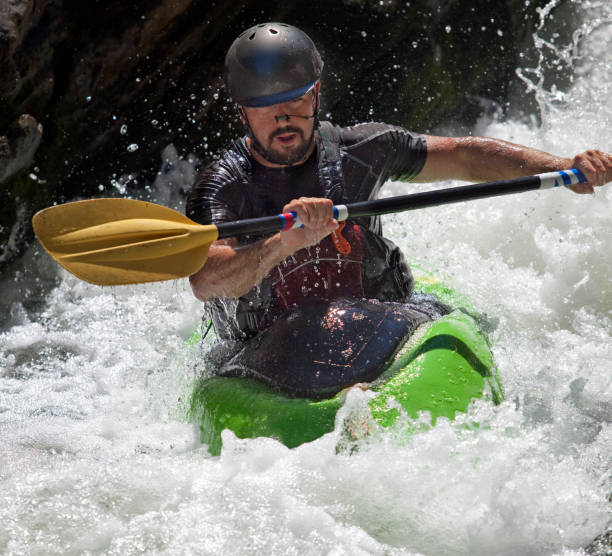
Somewhere around 2500 cfs, White Oak approaches class 3 difficulty. The waves become bigger and holes become playable. The eddies become less well defined, but still there. The water becomes swift and swimmers may not get to shore right away.
The optimum level for skilled play is probably around the 2500 to 8000 cfs range. After the creek gets above 10,000 cfs most everything is washed out and you get some HUGE waves. (Think New River over 10ft). It is worth going down because I bet you will never throw bigger wavewheels or kickflips. At this level, the creek could be considered in flood and flood rules should apply - i.e., avoid swimming at all costs, watch for strainers and logs - not just "static" ones against the shore or obstacle, but ones floating down river (wooden paddling buddies). It will be crucial to be familiar with flood river dynamics in general. While technically not more difficult than Class 3, the flood conditions make this run more dangerous.
At higher levels, more daring and skills are required. Debris floating downstream becomes quite dangerous. Swimming is not an option, as trees and shrubs in the swift current will confuse approaches to the shore. Class IV due mainly to the danger factors and advanced flood skills required.
One final thing to remember about levels - a 1000 cfs intermediate trip can quickly turn into a 9000 cfs+ flush if attention isn't paid to weather conditions. Please be aware that the water can rise quickly and can drop just as fast, to a level too low to run. Always keep a close eye on the gauge and be very aware of the weather.
The run description below is based on common names used by most paddlers today. Some "Old Schoolers" may disagree with the names but I will use all names that most people know. This creek changes almost every year. Some new rapids and features have appeared and some have completely disappeared (like Supershelf).
Below are some of the highlights of the run. There are countless catch on the fly waves that are not listed. So keep you eyes open and have fun!
There is a water quality issue. I have no data to support it, but you are in farm country and the water smells more and more every year of cow poop! We strongly advise against drinking the water.
Rapids in this Run (1)
Playspots (7)
Hazards & Portages (4)
Caution: The following locations may require scouting or portaging. Always check current conditions.
Difficulty
Class II-IV
Length
13.0 mi
Gradient
20 ft/mi
Rapids
1
4 Hazards
Access Points
Difficulty Classes
I Easy
II Novice
III Intermediate
IV Advanced
V Expert/Extreme
VI Unrunnable
Current Conditions
5-Day Forecast
Whitewater data from
American Whitewater
American Whitewater