04. Ouray to Green River Town
Linked via: Nhdplus gnis 95% confidence Synced 6mo ago
Gauge Conditions
Runnable: 900.0 – 50,000.0 CFS
Data from American Whitewater & USGS
Run Map
Run Time Estimate
Select put-in and take-out to estimate time.
Unlock Advanced Trip Planning
See wind-adjusted speed maps, forecast planning, and detailed time estimates.
Sign in to generate an AI timing estimate for this run.
Whitewater timing varies with scouting, portages, and group pace. Use as a planning baseline.
Description
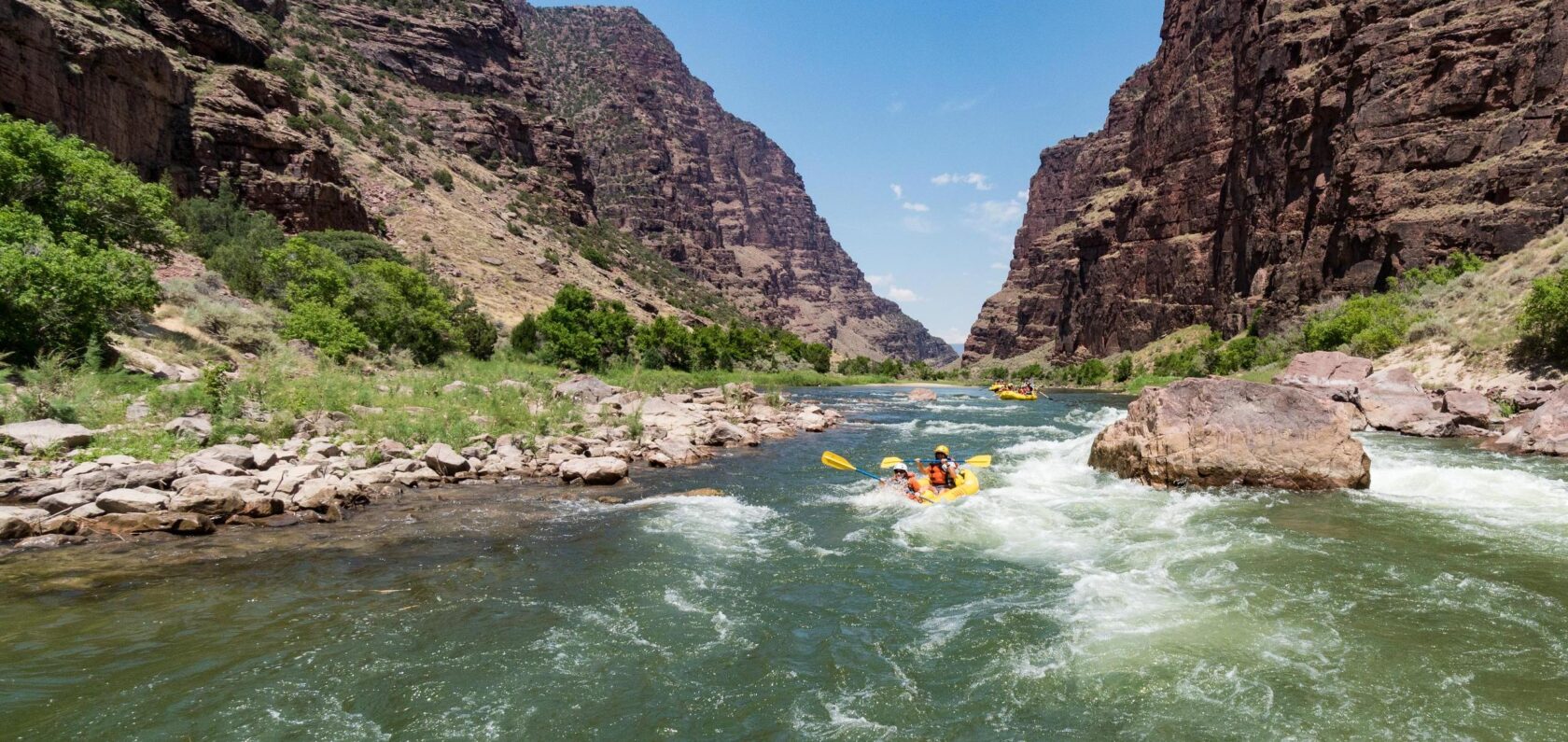
The Green River’s passage through Desolation and Gray Canyons offers one of the West’s most classic multiday float trips—a journey of 80 miles or more through a remote, strikingly beautiful landscape, steeped in history and rich in natural character. Though often overshadowed by more famous whitewater stretches in the Southwest, this section of the Green is a hidden gem prized for its accessible Class II and III rapids, lush riverbanks, fascinating archeological sites, and the serene solitude that canyon country delivers best. Whether you're a first-time rafter or seasoned boater seeking a more relaxed pace, Deso–Gray has something for everyone.
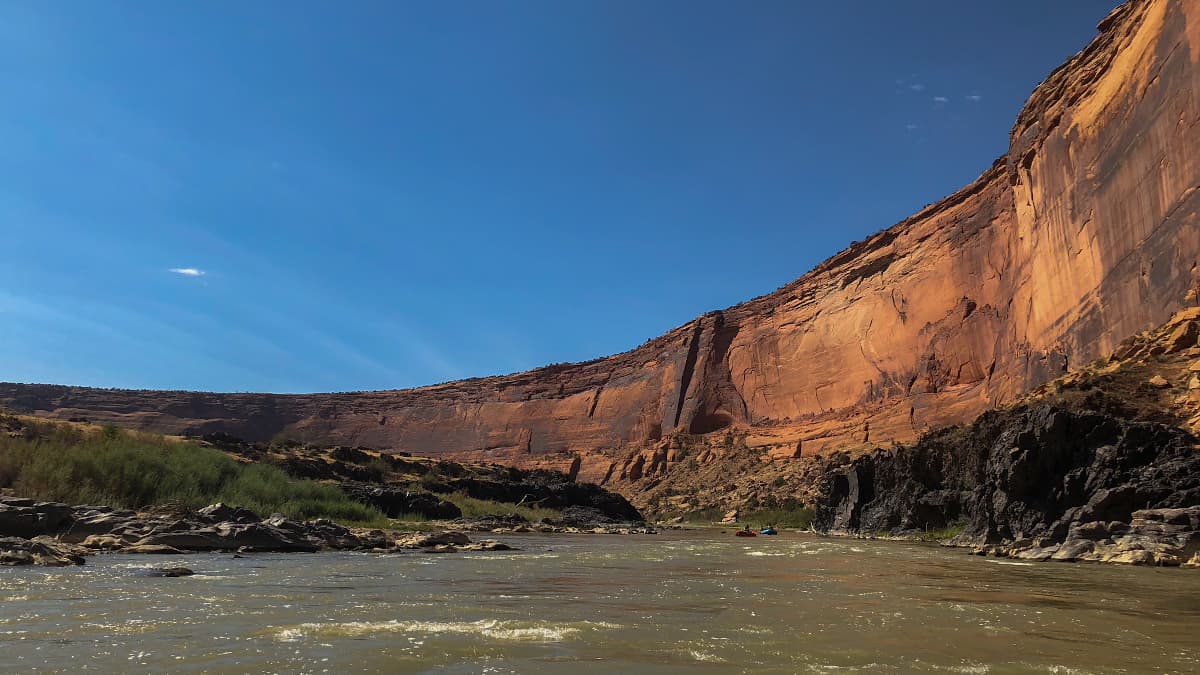
Trips most commonly begin at Sand Wash, a remote put-in accessible via dirt road, where all groups must check in with Bureau of Land Management rangers. While some boaters choose to float a longer stretch beginning upstream at Ouray, launching from Sand Wash avoids the long 40-mile flatwater lead-in and places you immediately at the doorstep of Desolation Canyon proper. Here, the canyon walls gradually rise as you paddle downstream, closing in to heights of more than 5,000 feet above the river, making this one of the deepest canyons in North America.
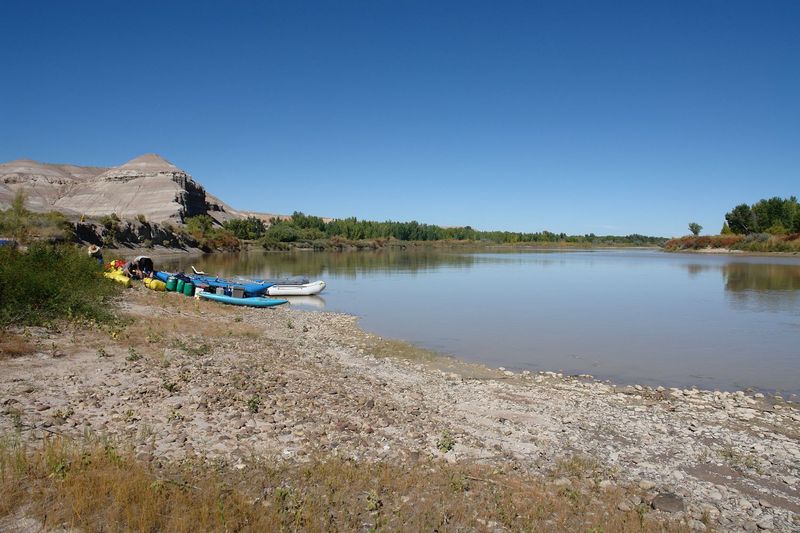
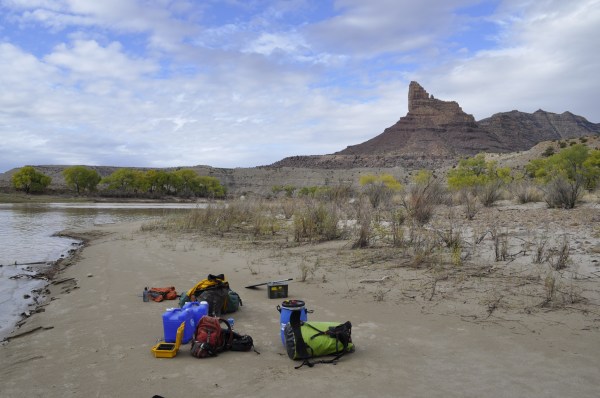
Desolation Canyon earns its name not from a lack of beauty but from its vast remoteness. Despite its isolation, the canyon is alive with greenery and has consistent flows as a result of controlled releases from upstream dams. Dense tamarisk and willow crowd the banks, making shoreline landings tricky in some areas—especially at high water when brush and current conspire to make camps hard to reach. In contrast, low water reveals ample sandbars and beaches ideal for camping and lounging. Wildlife abounds in this corridor, with frequent sightings of bighorn sheep, beaver, and an impressive variety of birds, including peregrine falcons and great blue herons.
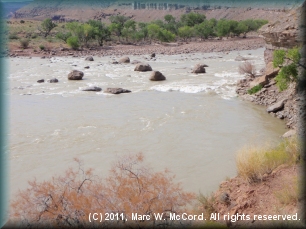
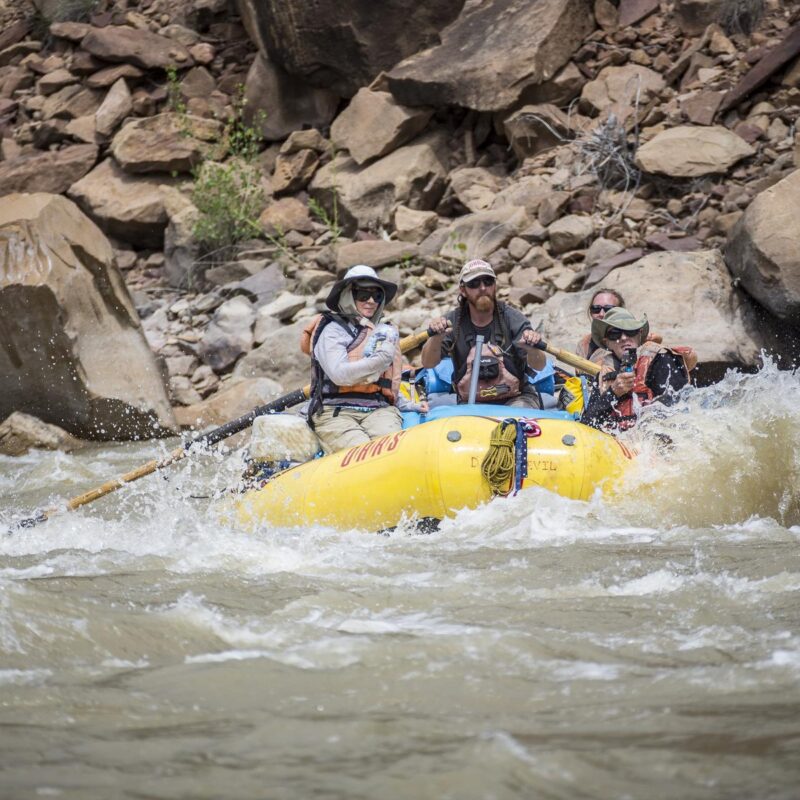
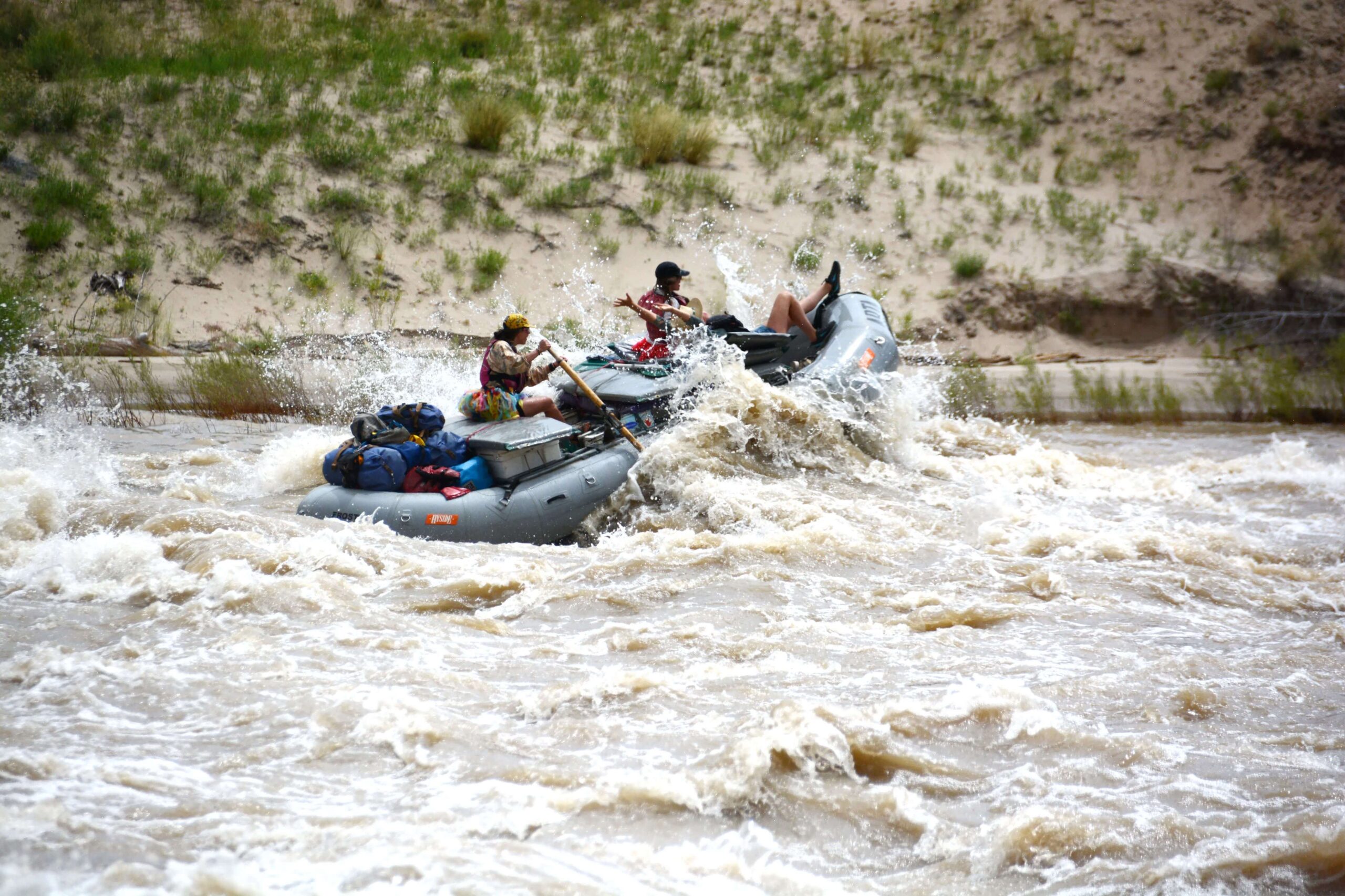
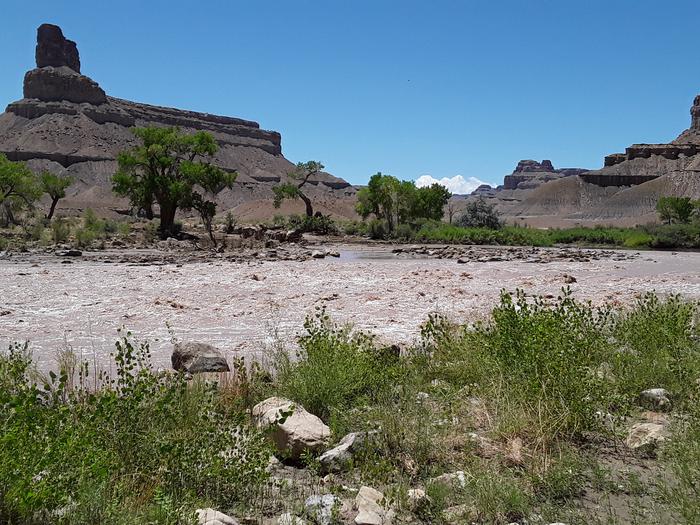
The rapids on this stretch are mostly mellow, with the majority falling into the Class I and II category, making the trip ideal for families or less experienced paddlers. However, boaters should not let their guard down—four rapids in particular, known as “The Big Four,” deserve close attention, especially at varying water levels. Joe Hutch Canyon Rapid, also known as Cow Swim, is the most formidable. At higher flows (above 20,000 cfs), it becomes a full-fledged Class IV challenge with powerful wave trains, dangerous holes, and a treacherous left wall that has trapped more than a few swimmers. Even at lower flows, Joe Hutch demands a scout and proper safety setup, especially given the rapid's history of debris flows and shifting hazards. Wire Fence, Three Fords, and Coal Canyon all range from Class II to III+, depending on conditions. Wire Fence is a straightforward drop but has claimed at least one life—proof that even “easy” rapids require respect. Three Fords, especially at low flows, becomes bony and technical, with big pour-overs and sneaky holes that can flip an inattentive boat. Coal Canyon offers a long, read-and-run challenge with plenty of excitement, especially for intermediate paddlers.
Seasonal conditions dramatically influence the character of the trip. High water, generally occurring from late May through mid-June, brings swift currents and harder landings. Campsites can be scarce and difficult to access, and mosquitoes—particularly at Sand Wash and in the early stretches of Deso—can rival those of the Everglades. Boaters during this period are advised to bring full bug netting, head nets, and screened tents. In addition to the bugs, expect daily afternoon upstream winds and short rainstorms, particularly in spring and early summer. Getting an early start each day is key to beating the wind, avoiding blown-out boats, and securing a decent camp.
The river can be crowded presenting a challenge to finding a good camp. The BLM allows up to nine launches per day, which can mean 130 to 225 people on the river at once—upward of 70 to 110+ boats spread across a finite number of landing sites. Popular camps fill fast, and campsite competition is a factor to consider. Despite the temptation, sending fast boats ahead to 'poach' campsites is explicitly against BLM regulations and is heavily frowned upon. It not only strains river etiquette but can result in permit revocation if your boat number is reported. Planning flexible camp options and keeping group size and pace in mind are essential strategies for a smooth trip.
Historically, one of the best ways to expand your camping and hiking options was to obtain a recreation permit from the Ute Indian Tribe, which allowed access to the river’s left bank (east side). Much of the most scenic terrain, cultural resources such as petroglyphs, and high-quality camps were located on tribal land. However, as of 2024, the Ute Tribe has suspended all recreational permits for non-tribal members due to repeated violations, including unauthorized ATV use and littering. This restriction is currently indefinite and prohibits all camping, hiking, or firewood gathering on tribal land. Boaters must now plan their camps exclusively on river right, which is managed by the BLM. Respect for these boundaries is critical.
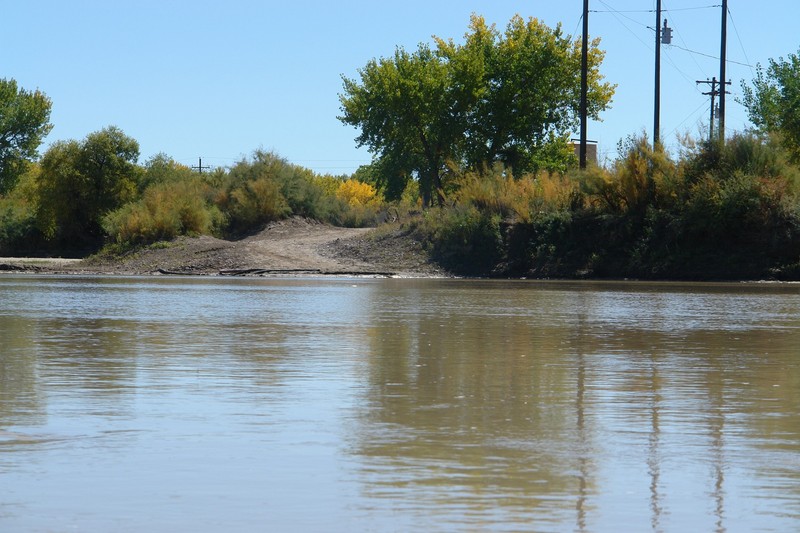
The traditional take-out for this trip is at Swaseys Boat Ramp, just upstream from the diversion dam near the town of Green River. This well-used ramp offers a convenient exit point and is still the most common end to Deso–Gray trips. However, American Whitewater engaged in the effort to secure a boat passage that was recently completed at Tusher Dam, making it possible to float safely past the dam and continue all the way to Green River State Park. This option adds a few more miles of mellow river to your journey and delivers you directly to a shaded, grassy area near showers, camping, and post-trip amenities.
Shuttle logistics are an important consideration for any Deso–Gray trip. Most groups stage vehicles at the take-out near Green River and use shuttle services to move them from the remote put-in at Sand Wash. Several outfitters based in Vernal, Green River, and Moab offer reliable shuttle support. For those short on time or wanting a unique vantage on the terrain they’ll soon be floating through, flying the shuttle is a memorable and increasingly popular option. Small aircraft flights from Green River or Vernal to the Sand Wash airstrip provide stunning views of the Tavaputs Plateau and the Green River corridor, shaving hours off the dusty drive and offering an unforgettable start to your trip.
Desolation and Gray Canyons are more than just a float—they’re an immersion into a rugged, wild landscape where geology, water, and history converge. Whether you're drawn by the solitude, the scenery, or the rolling whitewater, this stretch of the Green River offers a journey that lingers in memory long after the last paddle stroke.
Rapids in this Run (12)
 Rapid
Rapid
Wildlife Refuge launch area
 Rapid
Rapid
Ouray Bridge boat ramp
 Rapid
Rapid
Start of Uintah and Ouray Reservation, River Left
 Rapid
I
Rapid
I
Little Rock House Riffle
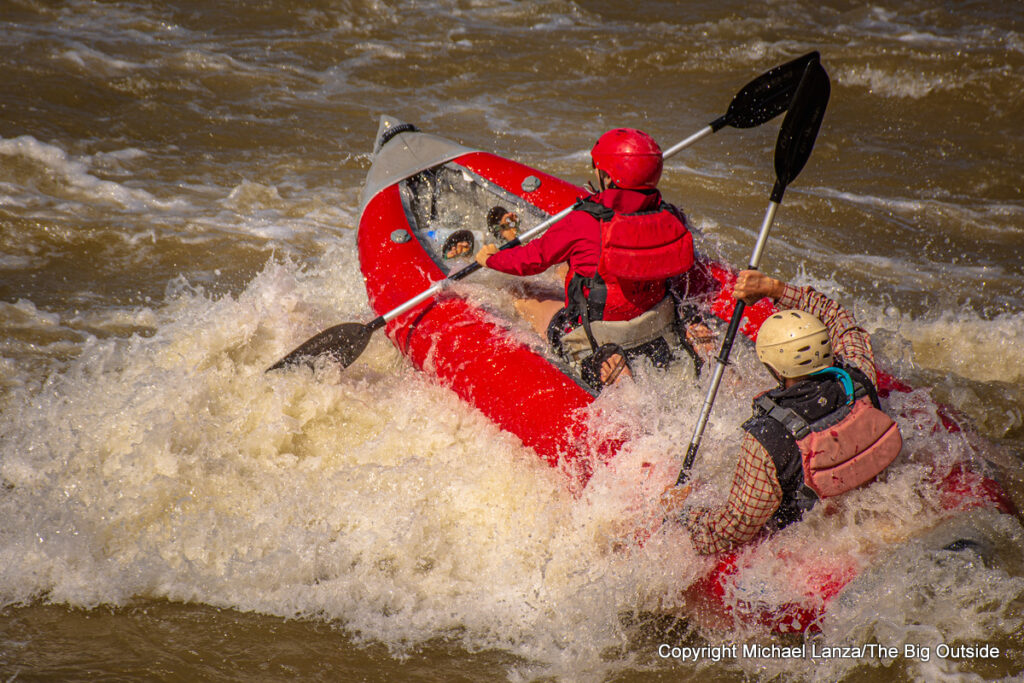 Rapid
II
Rapid
II
Big Canyon Rapid
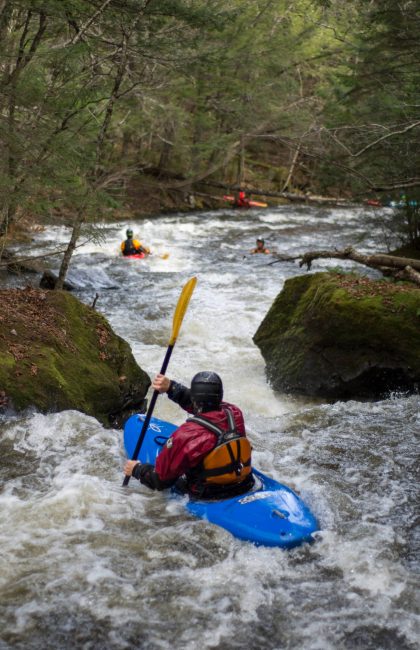 Rapid
II
Rapid
II
Jack Creek Rapids
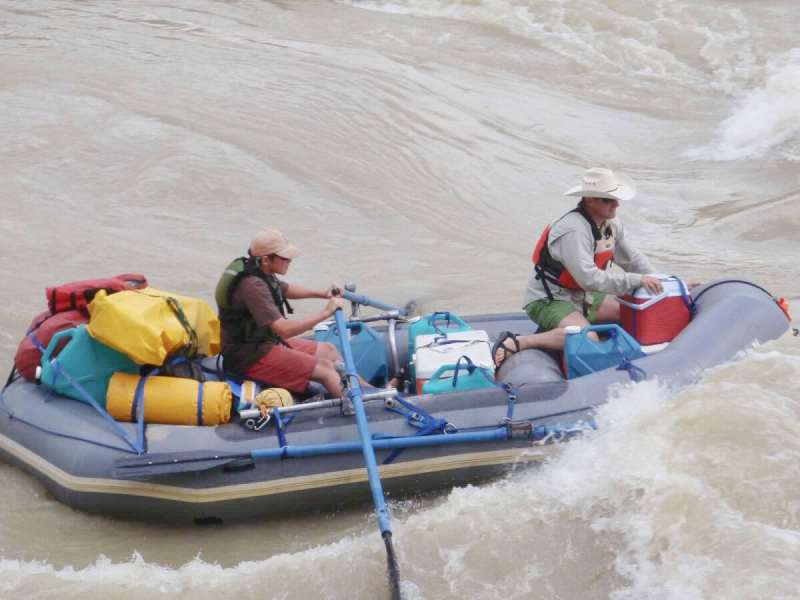 Rapid
III+
Rapid
III+
Joe Hutch Rapid
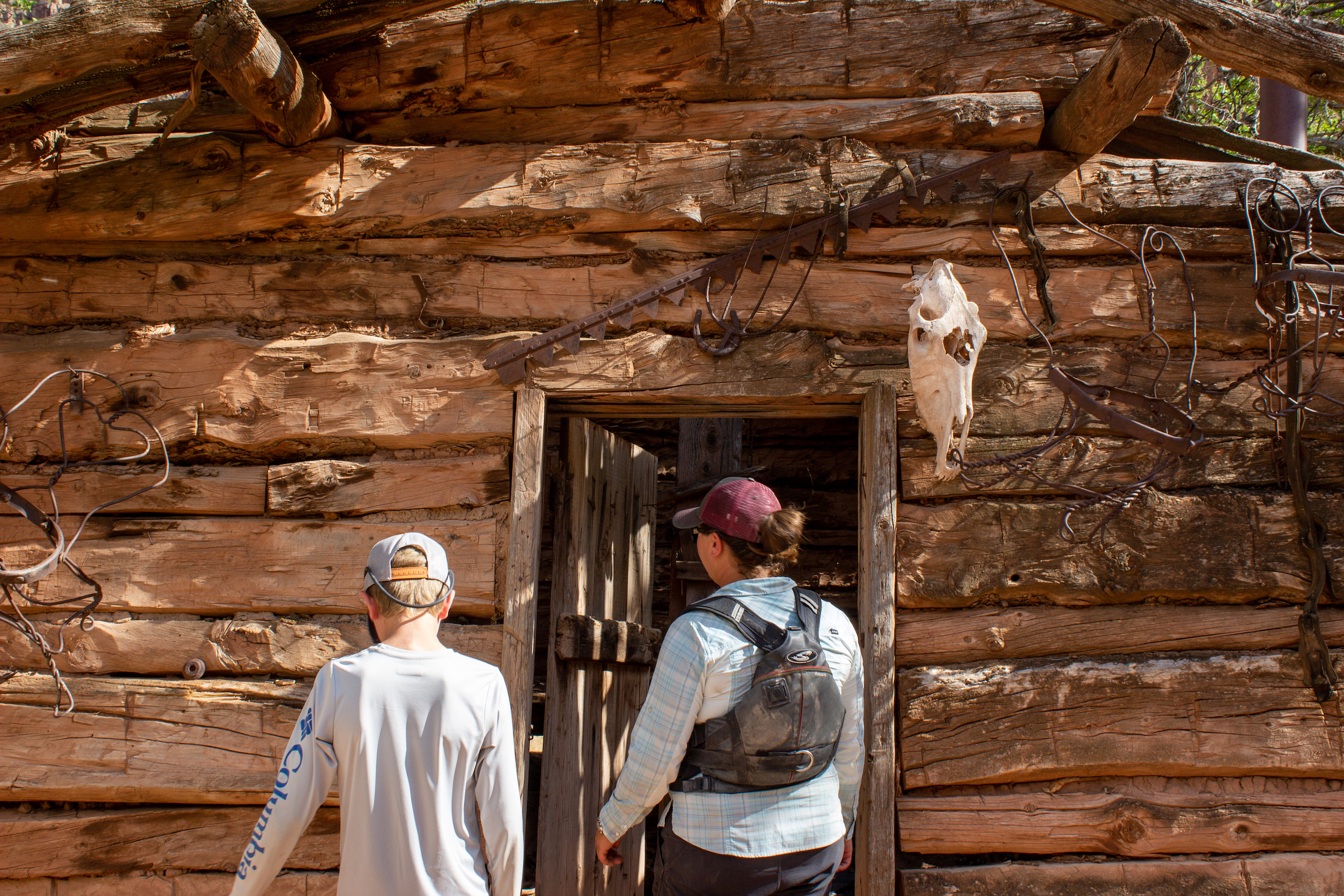 Rapid
Rapid
McPherson Ranch
 Rapid
III
Rapid
III
Wire Fence Rapid
 Rapid
III
Rapid
III
Three Fords Rapid
 Rapid
II
Rapid
II
Coal Creek Rapid
 Rapid
Rapid
Boat Ramp below Swaseys
Hazards & Portages (1)
Caution: The following locations may require scouting or portaging. Always check current conditions.
Difficulty
Class II-III
Length
130.0 mi
Rapids
12
1 Hazard
Access Points
Difficulty Classes
I Easy
II Novice
III Intermediate
IV Advanced
V Expert/Extreme
VI Unrunnable
Permit Required
Permits required year around with a high use (6 groups/day) season (mid May to mid August) and low use (2 groups/day) season (the rest of the year).
Get Permit
Current Conditions
5-Day Forecast
Whitewater data from
American Whitewater
American Whitewater